Why Door Lock Condition Matters
Your front door lock is one of the most frequently used security features in your home. Every time a key is inserted, turned, or removed, the internal components experience a small amount of wear. Although quality locks are designed to last for many years, regular use, changing weather conditions, accidental damage, and general ageing eventually affect how well they perform.
A lock rarely fails without warning. In many cases it begins sticking, becomes difficult to turn, or feels loose long before it stops working completely. Identifying these early signs allows homeowners to resolve the issue before experiencing an inconvenient lockout or compromising home security.
If your lock is showing signs of wear, consulting a trusted Beverley locksmith can help determine whether repair or replacement is the most appropriate solution.
Replacing a worn lock before it fails completely helps reduce emergency call-outs while improving the overall security of your property.
Early Warning Signs Your Lock May Need Replacing

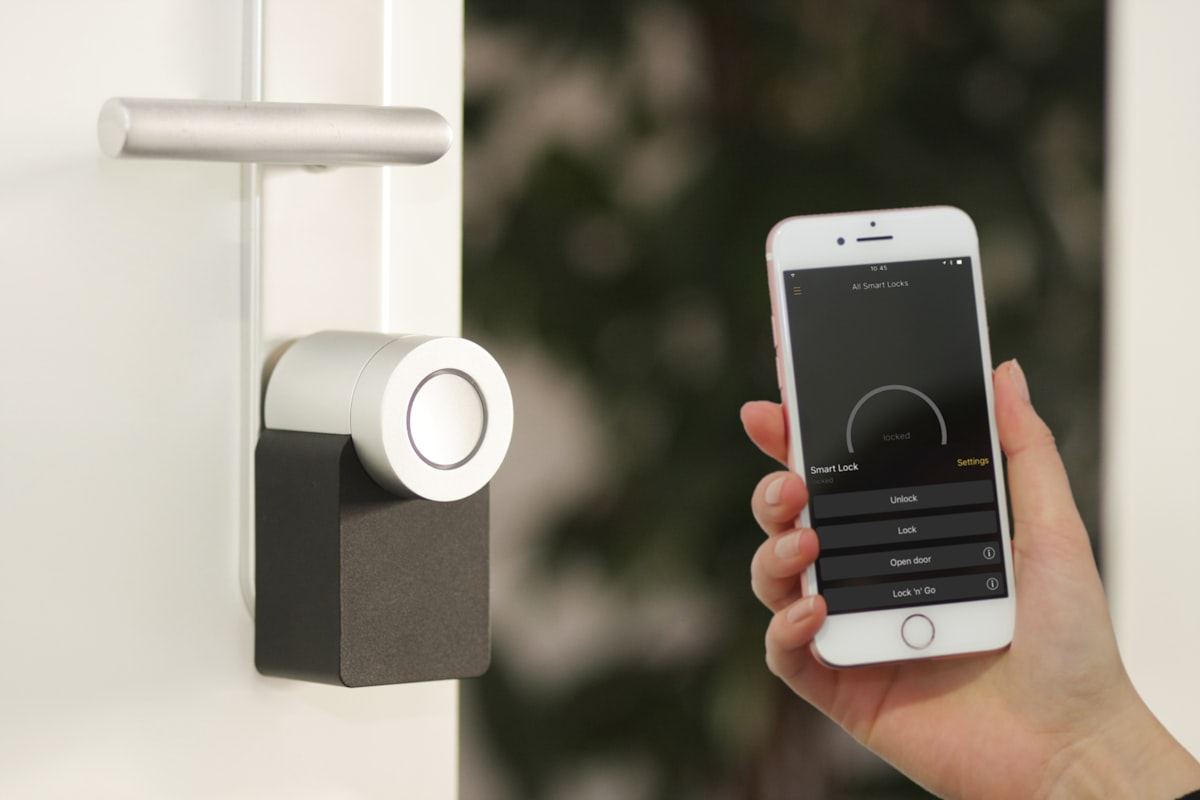
Many homeowners continue using ageing locks because they still function occasionally. However, small mechanical issues often become larger security concerns if ignored.
Difficulty Turning the Key
A lock that requires extra force may have worn internal components or alignment issues.
Loose Lock Cylinder
Movement around the cylinder may indicate mounting problems or internal wear.
Visible Rust
Corrosion caused by moisture can affect smooth lock operation over time.
Inconsistent Locking
A lock that works only occasionally should be inspected before it fails completely.
Common Causes of Door Lock Failure
| Cause | Potential Effect |
|---|---|
| General Wear | Internal parts gradually become less reliable. |
| Weather Exposure | Rain, frost, and moisture accelerate deterioration. |
| Poor Maintenance | Dust and debris affect lock performance. |
| Damaged Keys | Worn keys increase stress on internal mechanisms. |
| Door Misalignment | Additional pressure makes locking more difficult. |
Why Replacing a Worn Lock Is Worth Considering
A replacement lock can improve everyday reliability while supporting better home security. Modern locking systems often provide smoother operation and enhanced protection compared with older mechanisms that have experienced years of wear.
When Should You Replace Your Door Lock?
While many lock problems can be repaired, there are situations where replacing the lock is the better long-term solution. Locks that have suffered years of daily use, physical damage, corrosion, or repeated mechanical faults may no longer provide dependable security. Replacing an ageing lock before it fails completely helps avoid inconvenient lockouts while improving the overall protection of your home.
After Losing Keys
If your keys are lost and cannot be recovered, replacing the lock helps restore security and provides peace of mind.
Following a Break-In
Any attempted or successful burglary should be followed by a professional inspection and, where appropriate, lock replacement.
Moving Into a New Home
Installing new locks ensures only authorised individuals have access to your property.
Repeated Mechanical Problems
Frequent sticking, jamming, or unreliable locking often indicates internal wear beyond simple adjustment.
Benefits of Modern Door Locks
Modern locking systems are designed to provide improved durability, smoother operation, and enhanced resistance against everyday wear. Replacing an older lock can improve convenience while helping homeowners maintain a higher level of property security.
| Feature | Benefit |
|---|---|
| Smoother Operation | Reduces friction during daily use. |
| Improved Durability | Designed for long-term reliability. |
| Enhanced Security | Provides stronger protection against common attack methods. |
| Weather Resistance | Better performance during changing weather conditions. |
| Reliable Locking | Consistent operation with reduced maintenance. |
Choosing the Right Professional
Selecting an experienced professional is just as important as choosing the right replacement lock. Homeowners should always look for a locksmith with experience working on residential security systems, modern lock standards, and a reputation for reliable workmanship.


Additional Home Security Resource
If you'd like to learn more about maintaining residential locks and preventing common key problems, visit the Beverley key care guide . The guide provides practical information on recognising early warning signs, maintaining locks, and reducing the likelihood of emergency lockouts.
Frequently Asked Questions
How long should a residential door lock last?
The lifespan varies depending on usage, maintenance, environmental conditions, and lock quality. Regular inspections help identify wear before reliability is affected.
Can a worn key damage my lock?
Yes. Keys with worn edges or slight bends may place unnecessary strain on the internal components of the lock over time.
Should I replace a lock that occasionally sticks?
A sticking lock should be inspected promptly. Minor issues may sometimes be repaired, but repeated problems often indicate the need for replacement.
Does weather affect outdoor locks?
Yes. Rain, moisture, frost, and temperature changes can contribute to corrosion and gradual wear, particularly on external doors.
Is replacing an old lock a worthwhile investment?
Modern locks often offer improved reliability, smoother operation, and enhanced security features that help protect your home over the long term.
Conclusion
Door locks are an essential part of your home's security, and recognising early warning signs can prevent unexpected failures. Difficulty turning the key, loose components, corrosion, repeated jamming, and visible wear all indicate that your lock may require professional attention. Addressing these issues early helps reduce the risk of lockouts while maintaining dependable security.
Regular maintenance, timely inspections, and replacing ageing locks when necessary all contribute to protecting your property and ensuring your door continues to operate safely and reliably for years to come.